In a surprising move, Starbucks is closing down an entire category of its cafés—specifically, its “pickup-only” stores designed for mobile app orders. The decision reflects a broader shift in the company’s strategy as it reconsiders what customers truly want from their coffee experience.
This change is particularly significant in New York City, where Starbucks first tested and launched many of these mobile-first locations. Now, those very same stores are at the center of the company’s retreat from the hyper-efficient, no-seating café model.
So, what does this mean for Starbucks, its customers, and the future of fast-paced urban coffee service? Let’s take a closer look.
What Starbucks Is Closing — And Why
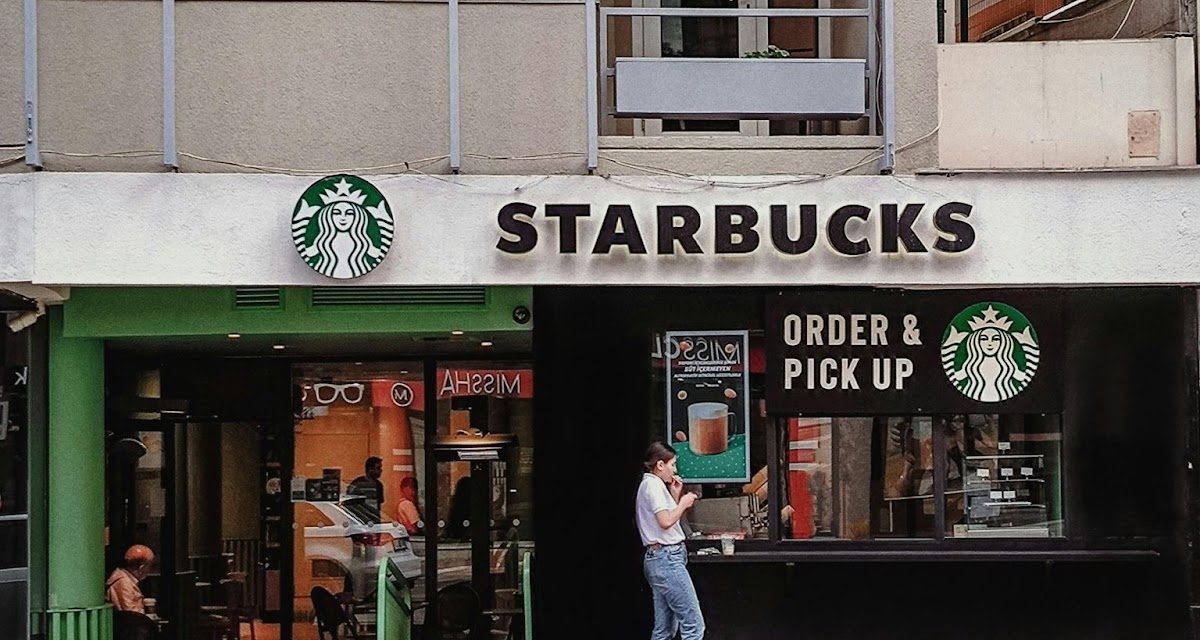
Starbucks’ pickup-only cafés were first introduced in 2019, mostly in high-density areas like Manhattan. These stores were designed without seating, focused entirely on fulfilling mobile app orders quickly, and appealed to busy urban customers on the go.
At the time, it made sense. Mobile ordering was on the rise, and these cafés helped reduce lines in traditional stores. However, by 2025, Starbucks leadership began to express concerns that this model was too impersonal and didn’t reflect the brand’s core values.
Starbucks CEO Laxman Narasimhan recently confirmed the decision to phase out all pickup-only stores in the U.S., with a goal to complete the closures by the end of fiscal year 2026.
The reason? The format lacked the “connection and comfort” that customers expect from Starbucks. It felt more like a delivery hub than a café—and that didn’t sit well with customers or the company’s leadership.
The New York Story: Where It All Started
New York City has long been a testing ground for new retail concepts, and Starbucks is no exception. The company launched some of its very first pickup-only cafés in Manhattan neighborhoods like Penn Plaza and Midtown East. These locations offered no seating, no restrooms, and minimal staff interaction—just a quick in-and-out experience.
Initially, the stores were well-received by commuters and office workers. But post-pandemic shifts in work patterns, growing competition from other coffee brands, and changing consumer preferences have made the model less appealing.
As hybrid work schedules reduced foot traffic and customers began craving real-world social spaces again, Starbucks noticed that the fast-paced, seatless café experience was falling short.
Now, New York is also among the first cities to see these locations close or transition into full-service cafés with seating and a more welcoming atmosphere.
Starbucks’ Shift in Strategy
This move is part of a broader effort by Starbucks to re-center its brand around experience and human connection, rather than just convenience. The company has made several related changes over the past year:
- Investing in remodeling over 1,000 stores across North America to make them more inviting
- Launching new café formats that include smaller, more efficient stores with seating
- Committing to faster service and friendlier interactions, supported by operational improvements
- Expanding use of technology behind the scenes without removing the customer-barista experience
Rather than compete on speed alone—especially as brands like Dunkin’ and fast-growing competitors focus heavily on drive-thrus and automation—Starbucks is leaning into what made it iconic: a warm, community-driven environment.
A Response to Shifting Customer Expectations
Consumer habits have changed since Starbucks first rolled out its mobile-heavy café model. While mobile ordering remains popular, many customers are looking for more than just a caffeine fix—they want comfort, consistency, and connection.
For Starbucks, this means creating “third places” again: environments that are not home or work, but somewhere in between. It’s a core part of the company’s identity, and one that has been lost in recent years.
By removing the pickup-only format, Starbucks hopes to rebuild loyalty with both new and long-time customers who missed that personal touch. It also sends a clear message: Starbucks isn’t just a quick stop—it’s a place to relax, meet, or simply enjoy your coffee.
What’s Next for Starbucks in NYC and Beyond?
As Starbucks closes these pickup-only stores, many locations will be reconfigured into traditional cafés or new hybrid formats that offer both fast service and seating. In New York, where real estate is tight and expensive, that could mean:
- Smaller, optimized layouts with around 10–30 seats
- Better-designed waiting areas for mobile orders
- Community-focused interiors that invite people to stay longer
- A renewed focus on customer service and hospitality
At the same time, Starbucks is continuing to open new locations, including more drive-thru stores in suburban areas and small-footprint cafés in high-traffic urban zones.
New York’s unique environment means Starbucks will still experiment with formats, but the core direction is clear: speed matters, but not at the expense of experience.
What This Means for the Broader Coffee Industry
Starbucks’ decision to step away from its pickup-only cafés could influence other brands as well. Many quick-service coffee chains have leaned heavily into automation, app ordering, and minimal interaction.
But if Starbucks proves that personal connection drives long-term loyalty, competitors may be forced to rethink their strategies. After all, people don’t just go to coffee shops for coffee—they go for atmosphere, conversation, and routine.
The future of coffee might still be fast and digital, but it may also be a little more human, thanks in part to Starbucks’ course correction.
Final Thoughts
Starbucks is making a bold move by closing an entire category of its cafés, starting in the very place the idea was born—New York City. The decision marks a clear shift in the company’s priorities: away from transaction-only service and toward meaningful customer experiences.
For New Yorkers and loyal customers across the U.S., this could be good news. It signals a return to what many people loved about Starbucks in the first place—a warm place to enjoy your drink, connect with others, and be part of a community.
As Starbucks enters its next phase, one thing is certain: it’s betting big on the power of personal connection.